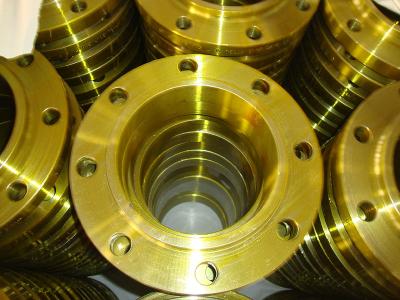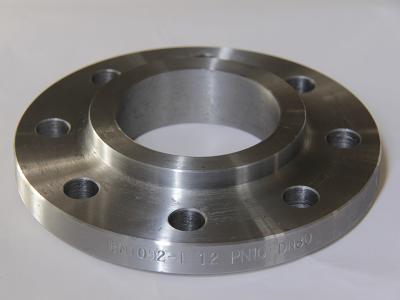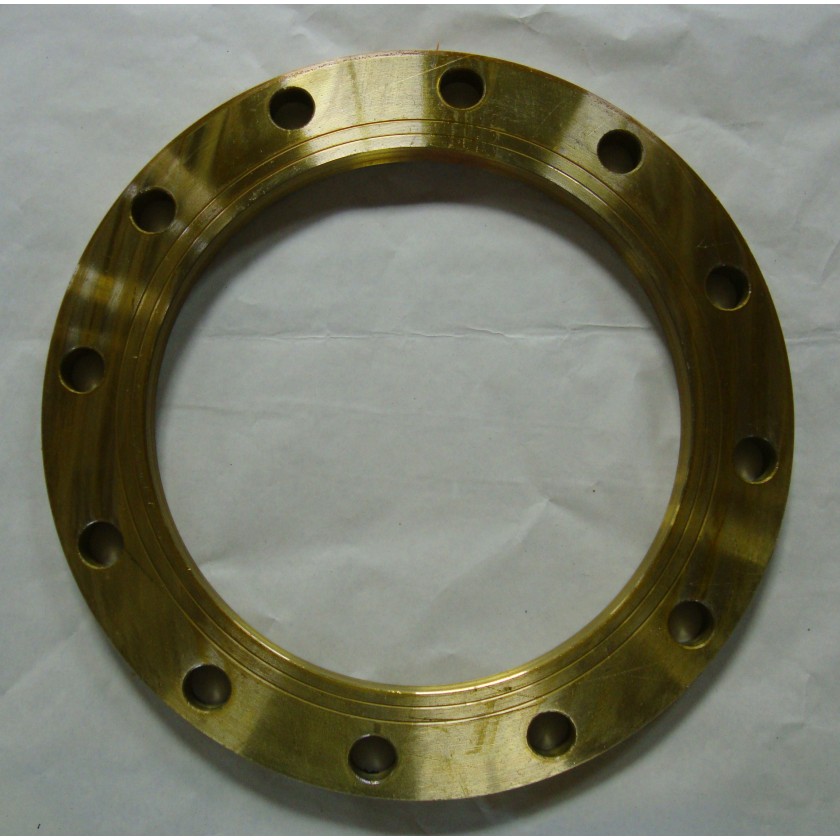
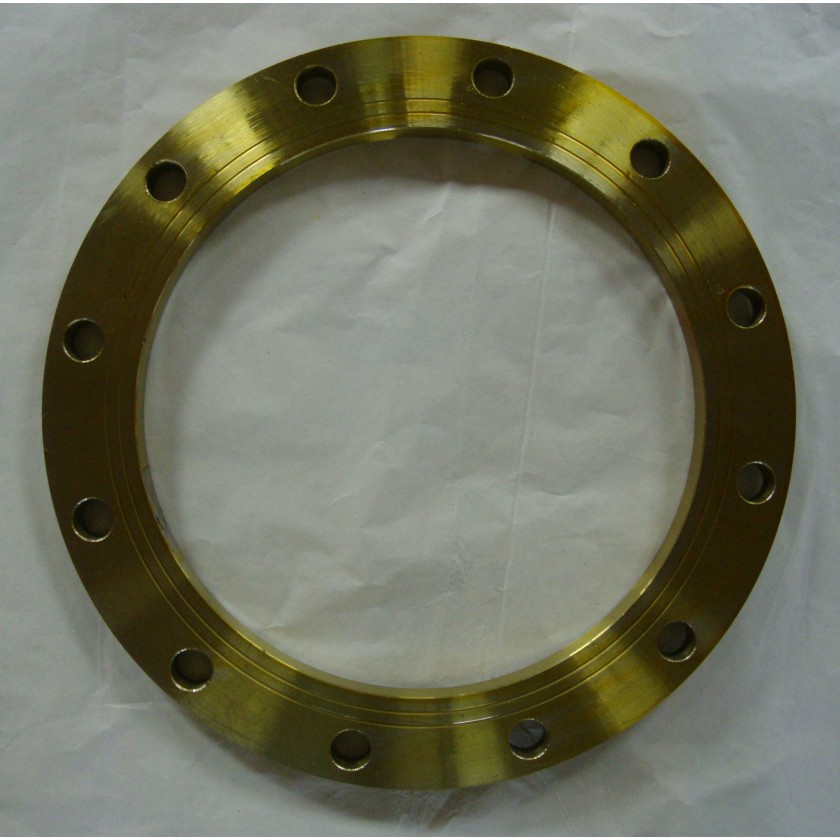
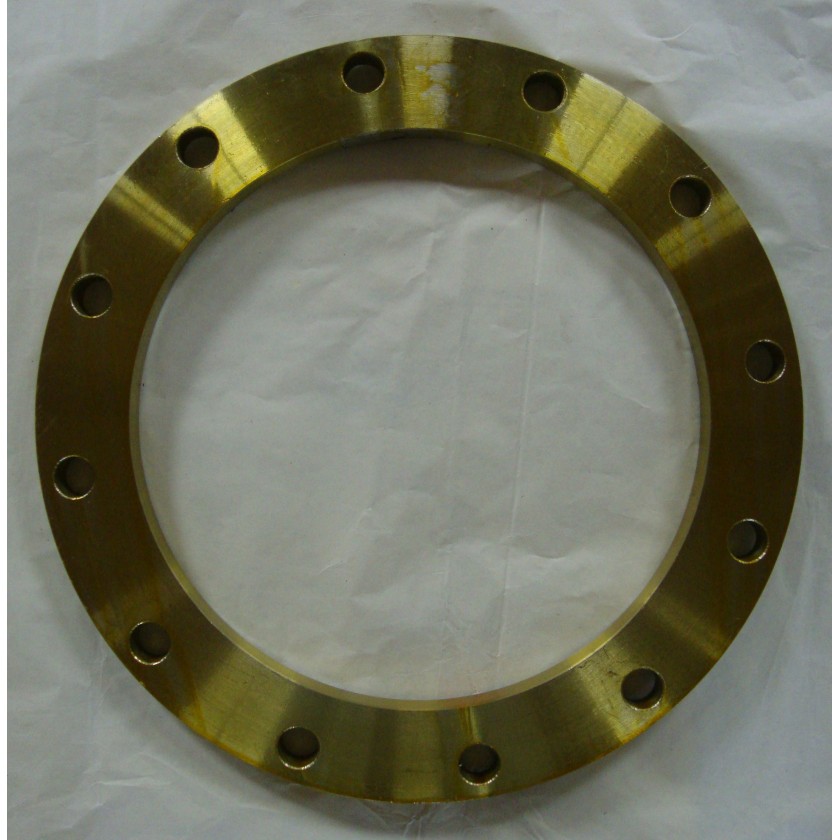
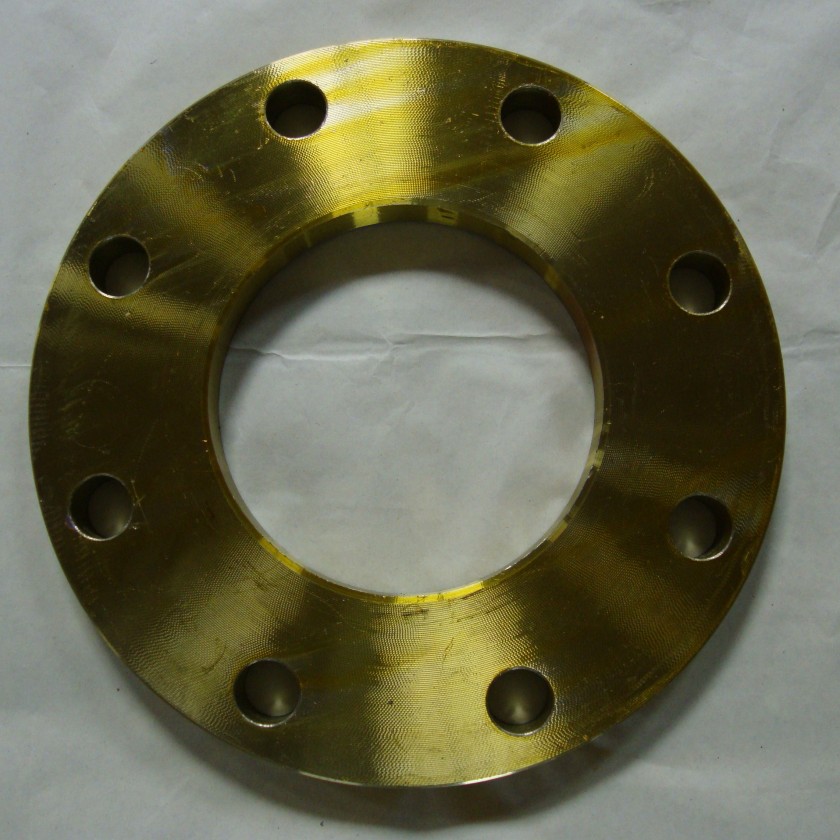
plate flange

Simplified Installation & MaintenanceThe flat welding design allows for easy alignment between the flange and pipe, requiring no specialized welding equipment or highly skilled operators. The welding process is straightforward with annular fillet welds, reducing installation time by 30%-40% compared to necked flanges. For maintenance or replacement, the flange can be quickly disassembled without damaging the main pipeline, minimizing downtime in industrial operations.
Wide Compatibility & VersatilityAvailable in multiple standards (ASME ANSI B16.5, EN 1092-1, ISO 7005-1, GB/T 9119) and sizes (DN10-DN2000, 1/2"-80"), it supports various pressure ratings (PN6-PN40, Class 150-Class 600) and sealing faces (FF, RF, T/G, RJ). Compatible with carbon steel, stainless steel, alloy steel, and non-ferrous metal pipes, it is widely used in petroleum, chemical, natural gas, water treatment, power generation, and shipbuilding industries.
Reliable Sealing PerformanceThe flat or raised sealing face (FF/RF) is precision-machined via CNC technology, ensuring a tight fit with gaskets (rubber, PTFE, metal spiral wound). When paired with appropriate gaskets, it achieves leak-proof sealing even under medium-low pressure and normal temperature conditions, with a sealing success rate of over 98% in standard operating environments.
Lightweight & Space-Saving DesignThe compact neck-free structure reduces the overall weight of the pipeline system, lowering the load on supports and hangers. Its slim profile requires less installation space, making it ideal for confined areas


Product Details

Overview

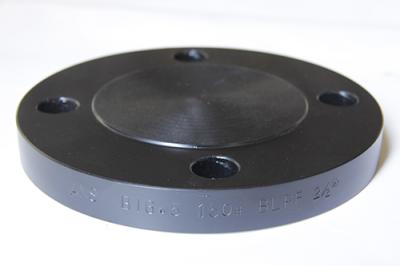
Plate Flange (also known as Flat Welding Flange, PL Flange) is a key component in pipeline systems, featuring a simple neck-free flat structure designed for easy welding and installation. It is widely used for connecting pipes, valves, pumps, and equipment in industrial and civil applications, offering reliable sealing performance and cost-effectiveness. Compliant with international standards, our plate flanges are manufactured with high-precision processes and premium materials to meet diverse operational requirements.

无水线.jpg

Material TypeGrade ExamplesKey PropertiesApplication Scenarios
Carbon SteelA105, Q235B, 20#High strength, cost-effective, good weldabilityPetroleum, water treatment, general industrial pipelines
Stainless Steel304, 316, 316LCorrosion-resistant, oxidation-resistantChemical, food processing, marine, high-purity systems
Alloy SteelA182 F11, F22, F91High-temperature/high-pressure resistancePower generation, boiler systems, petrochemical refining
Non-Ferrous MetalsCopper Nickel (C70600), AluminumCorrosion-resistant, lightweightMarine engineering, HVAC, low-pressure corrosive media

Manufacturing Standards

International Standards: ASME ANSI B16.5, EN 1092-1 (BS EN 1092-1), ISO 7005-1, DIN 2501.

National Standards: GB/T 9119 (China), JIS B2220 (Japan).

Quality Control: Each product undergoes dimensional inspection (CNC measurement), pressure testing (hydrostatic/air pressure test), and surface quality checks to ensure compliance with standard requirements.

Manufacturing Process

Raw Material Selection: Premium steel plates/forgings with certified material certificates (MTC).

Cutting & Forming: Precision cutting (plasma cutting, laser cutting) or forging (die forging, free forging) to shape the flange blnk.

CNC Machining: High-precision CNC lathes/milling machines for turning, drilling bolt holes, and machining sealing faces (tolerance: ±0.05mm).

Surface Treatment:

Galvanizing (hot-dip/electro-galvanizing): Corrosion protection for outdoor or humid environments.

Passivation (stainless steel): Enhances corrosion resistance.

Painting: Customizable colors for specific industrial needs.

Leave your messages

Related Products

x

Popular products

x